By Ariana Ramos | SVP Business Development
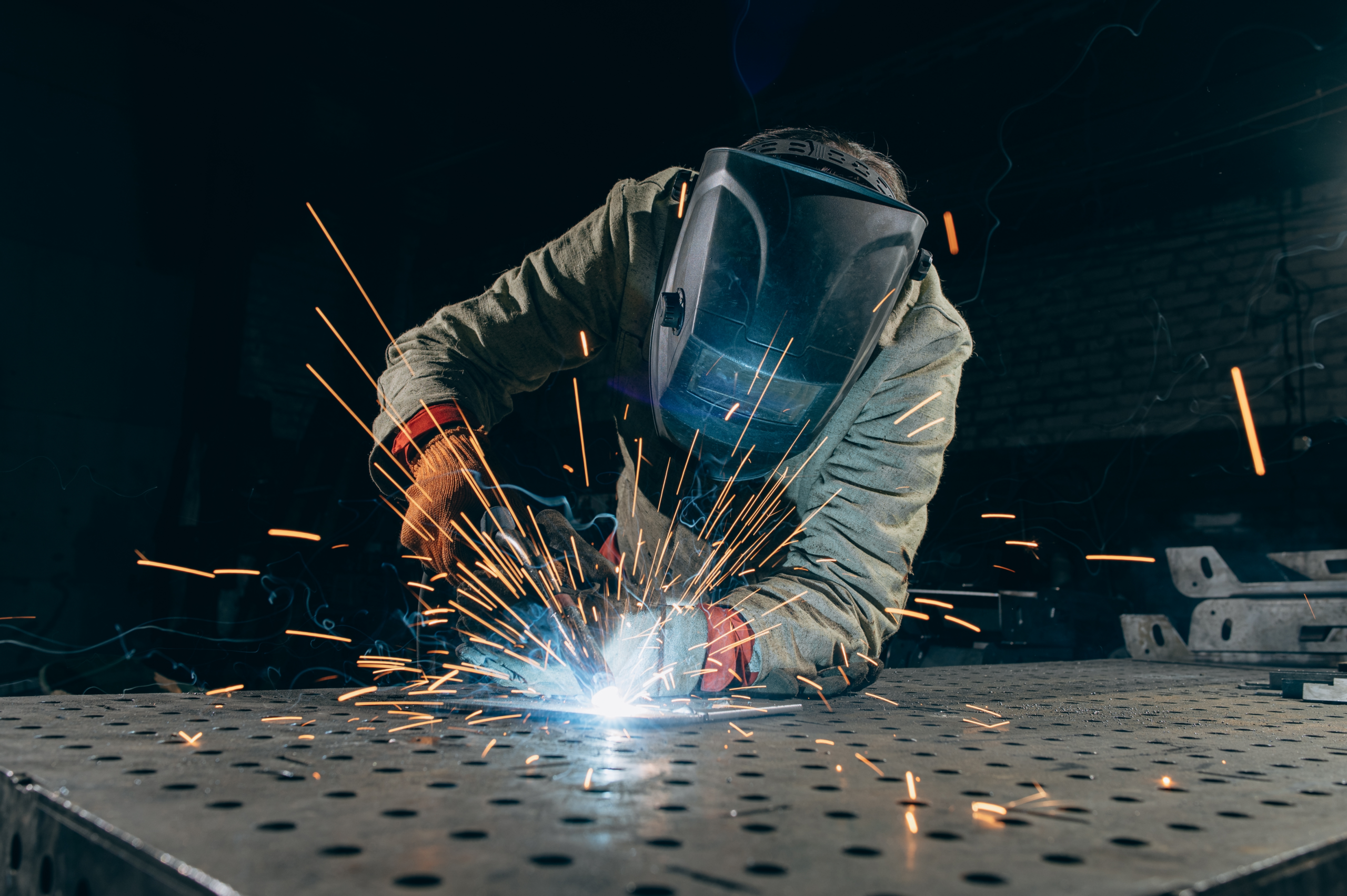
Metal manufacturing plays a critical role in supporting construction, infrastructure, transportation, and energy projects across the country. From structural steel and custom fabrication to precision-machined components, these operations supply materials that become integral parts of larger systems and structures.
But with that importance comes significant exposure.
Metal manufacturers operate in environments defined by heavy equipment, high heat processes, combustible materials, and contractual performance obligations. For independent agents, placing coverage for these businesses often requires navigating selective underwriting, capacity limitations, and elevated severity potential.
That is where Telamon Insurance supports agents by providing access to specialty industrial markets experienced in higher-hazard manufacturing risks. Structuring coverage effectively requires looking at the exposure from fabrication to final installation.
The Shop Floor: Property and Equipment Exposure
The most visible risk begins on the manufacturing floor.
CNC machines, welding stations, cutting tools, stamping presses, and automated fabrication systems represent substantial capital investment. These machines operate under mechanical stress and often at high temperatures, increasing the potential for fire, electrical malfunction, or equipment breakdown.
Accurate property valuation is essential. Replacement cost for specialized machinery can exceed initial purchase price, particularly when factoring in installation and calibration. Underinsuring these assets can create serious financial strain after a loss.
Equipment Breakdown coverage is often critical in this class. A mechanical failure or electrical surge can halt production immediately, creating not only repair costs but also revenue interruption. For manufacturers that install or service products off-site, inland marine coverage may also be necessary to protect tools and equipment in transit.
Facilities with older construction, prior fire losses, or limited fire suppression systems often face stricter underwriting review. Wholesale access becomes particularly valuable when standard markets impose restrictions or decline higher-hazard occupancies.
The Workforce: Operational Hazard and Workers’ Compensation
Metal manufacturing remains a higher-hazard industry from a workers’ compensation standpoint. Employees handle heavy materials, operate cutting and welding equipment, and work around moving machinery.
Even with strong safety protocols, injury exposure is inherent. Loss history and experience modification factors heavily influence carrier appetite and pricing. Businesses with deteriorating loss ratios may find standard market options limited.
While workers’ compensation is placed separately from general liability in many cases, the overall risk profile of the operation affects underwriting decisions across all lines. Wholesale brokers often assist agents in navigating complex industrial placements where multiple exposures must be evaluated together.
Environmental Considerations
Many metal manufacturers use chemicals in finishing, coating, or degreasing processes. Waste disposal practices, runoff, and air emissions introduce environmental exposure that is often excluded under standard general liability policies.
Without Pollution Legal Liability coverage, a business may face uncovered cleanup costs or third-party claims arising from contamination events. For facilities located near residential areas or waterways, environmental scrutiny can intensify.
Specialty environmental markets familiar with industrial operations are frequently necessary to secure appropriate terms. Wholesale brokers help position these risks by presenting detailed information regarding storage procedures, spill controls, and regulatory compliance practices.
Completed Operations: The Exposure That Follows the Product
The most severe claims may arise long after a product leaves the facility.
Metal components are often incorporated into buildings, infrastructure projects, and heavy machinery. If a fabricated part fails, the resulting damage may extend far beyond the original component.
Allegations may include improper welding, material defects, or deviation from specifications. These claims often involve multiple parties and complex contractual disputes. Defense costs can escalate quickly as engineers and industry experts are retained to determine the source of failure.
Products and Completed Operations coverage must reflect this severity potential. Limits should be evaluated in light of downstream exposure, particularly when components are used in structural applications. Contractual liability provisions also require attention, as manufacturers frequently assume indemnification obligations in agreements with general contractors.
Excess and umbrella coverage often become necessary where contracts require higher limits or where exposure severity exceeds primary policy capacity.
A Claim Scenario That Highlights the Stakes
Consider a fabrication company supplying steel supports for a commercial construction project. Months after installation, a structural component fails under load, resulting in property damage and injury claims.
The general contractor tenders the claim to the manufacturer, alleging improper fabrication. Multiple insurers become involved as responsibility is evaluated. Defense costs mount as engineering experts assess weld integrity and compliance with specifications.
In a properly structured program, general liability responds to covered allegations. Excess layers provide additional protection if damages exceed primary limits. If contractual liability provisions were carefully reviewed during placement, coverage aligns with indemnification agreements.
The outcome depends not simply on the existence of coverage, but on how strategically the program was constructed.
Navigating Industrial Risk in a Selective Market
Carrier appetite for heavy manufacturing fluctuates based on industry loss trends, fire protection standards, and prior claims experience. Some admitted carriers limit capacity for higher-hazard occupancies, making wholesale access increasingly important.
Wholesale brokers bridge the gap between retail agents and specialty industrial markets. By assisting in the presentation of detailed operational controls, safety procedures, and quality assurance protocols, wholesalers help position risks effectively for underwriting review.
They also assist in structuring layered excess programs when contract requirements or exposure severity demands additional capacity.
For agents placing metal manufacturing risks, this partnership provides greater flexibility and stronger confidence when navigating a selective market environment.
Building Industrial Protection with Confidence
Metal manufacturing operations form the backbone of modern infrastructure. Their insurance programs must reflect both operational hazard and downstream liability exposure.
When underwriting becomes restrictive or capacity is limited, specialty access can expand placement options and support more comprehensive program design.
If you are working with a metal fabrication or manufacturing client and encountering placement challenges, Telamon Insurance can help you explore specialty industrial markets and structure coverage aligned with the realities of high-severity manufacturing exposure.
Connect with our wholesale team to review your next submission and build a program designed to support even the most complex metal manufacturing risks.